
SMS non-woven fabric is a common material choice for disposable medical supplies. The name refers to a layered structure: spunbond, meltblown, and spunbond. This combination helps create a practical balance between strength, softness, breathability, and barrier performance for healthcare environments.
Layer-by-layer breakdown
SMS non-woven fabric features a three-layer composite structure made by sandwiching a middle meltblown layer between two outer spunbond layers. Each layer has a different role in strength, comfort, and barrier performance.
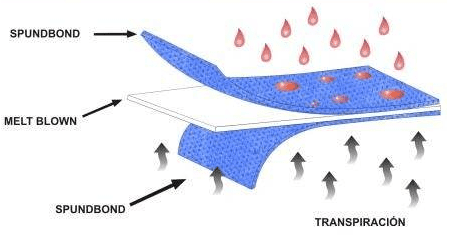
Outer Layer 1: Spunbond (S)
uses continuous polypropylene (PP) filaments to provide mechanical strength, tear resistance, abrasion resistance, and structural integrity.
Middle Layer: Meltblown (M)
uses ultra-fine microfiber polypropylene and acts as the core barrier for liquid resistance, dust blocking, and bacterial or particulate filtration.
Outer Layer 2: Spunbond (S)
uses continuous polypropylene (PP) filaments to provide a soft, smooth outer finish, add skin comfort, and protect the fragile meltblown core from damage.
What is the difference between SS and SMS fabric?
| Feature | SS Fabric | SMS Fabric |
|---|---|---|
| Layer Breakdown | 2 layers (spunbond + spunbond) | 3 layers (spunbond + meltblown + spunbond) |
| Filtration / Barrier | Low-to-moderate basic dust and liquid resistance | High barrier against bacteria and fine particles |
| Strength vs. Softness | Strong, durable, and smooth | Balanced strength with superior fluid and particle protection |
| Primary Industry | Hygiene, packaging, and general covers | Medical, cleanroom, and protective apparel |
Leak-proof and liquid-resistant performance
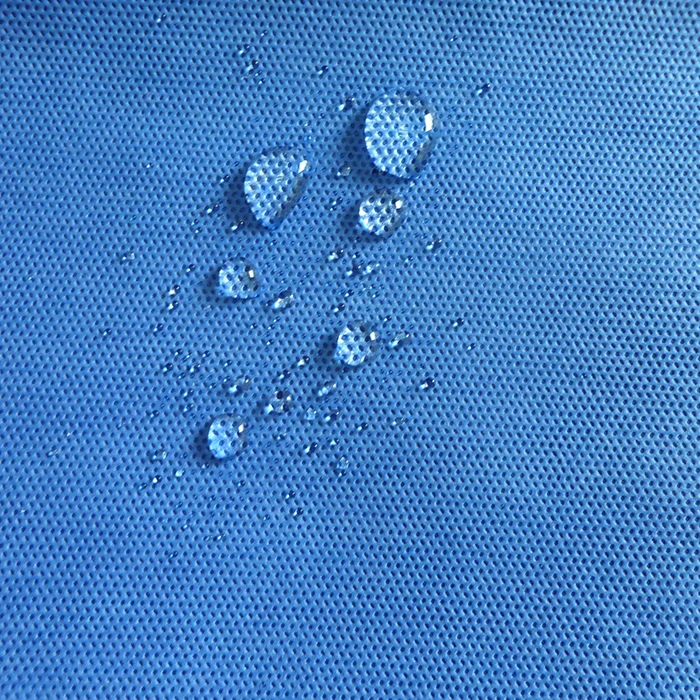
The meltblown middle layer helps SMS fabric resist liquid penetration, while the spunbond surfaces add strength and comfort. This makes SMS non-woven fabric useful for disposable medical gowns, drapes, and protective covers where splashes, droplets, or light fluid exposure may occur.
For procurement, liquid-resistance expectations should be matched to the intended healthcare workflow, fabric weight, garment design, seams, cuffs, and closure style.
Why SMS fabric is used in medical supplies
Healthcare teams often need disposable products that are light enough for daily wear, strong enough for handling, and suitable for clinical workflows. SMS fabric can support those needs because it combines outer spunbond layers with an inner meltblown layer that helps improve protective performance.
Common healthcare applications
SMS non-woven fabric is often used for disposable medical gowns, protective cover garments, drapes, wraps, sheets, and selected procedure-room supplies. The exact application depends on the material weight, product design, closure style, and the requirements of the healthcare setting.
Benefits for hospitals and clinics
For healthcare buyers, SMS fabric can offer a useful mix of comfort and practicality. It can be produced in different weights and colors, folded for efficient packing, and specified for products that need consistent disposable coverage during routine clinical use.
Specification details to confirm
Before requesting a quote, buyers should define the intended product, fabric weight, size range, color, packing format, and expected order quantity. These details help the supplier recommend a suitable specification and prepare accurate production and delivery information.
What to include in an SMS fabric RFQ
- Target product, such as gown, sheet, drape, or cover garment
- Required fabric weight and color
- Size, closure, cuff, or product design details
- Individual or bulk packing preference
- Quantity, delivery destination, and target timeline
Monitor Medical Supplies Factory can discuss SMS non-woven fabric options for disposable medical products, including medical gowns and other healthcare consumables for hospitals, clinics, and distribution partners.